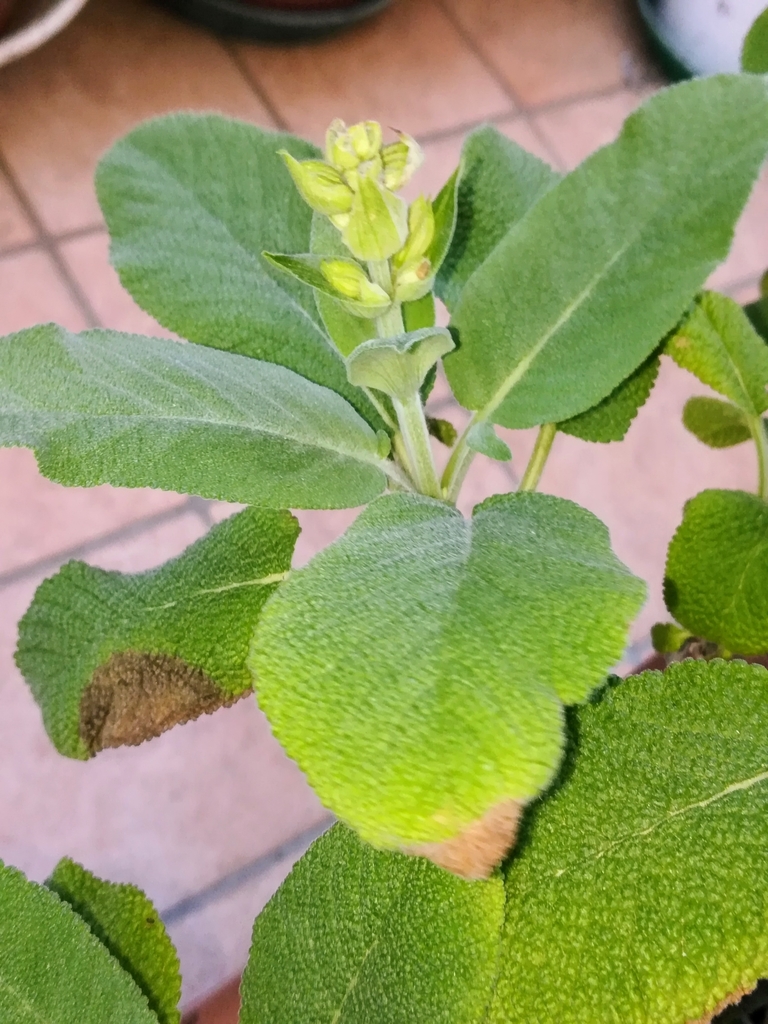
Garden Sage
- Origin
- Europe
- Part used
- See detailed notebook
- Tradition
- Traditional ethnobotany
Native to the shores of the Mediterranean basin, garden sage owes its very name to wisdom (from "salvare," "to save, to heal") that the ancients attributed to it. In the medieval herb gardens, it was considered one of the apothecary's most precious plants, almost a household cure-all. Its camphor-like scent and velvety leaves have made it, over the centuries, a faithful companion of kitchens and herbalists alike.
Traditional uses
Before you use it
Not advised during pregnancy and breastfeeding due to its traditionally reported hormonal and emmenagogue properties. Prolonged or high-dose use should be avoided, as the thujone it contains can be neurotoxic and cause convulsions. To be avoided by people with epilepsy and by young children. Consult a healthcare professional in the case of hormonal treatment or a chronic condition before any regular use.
The detailed notebook
- Prepared as a paste or decoction
- Traditional duration of use
- Known contraindications
- Related species and their uses
Where to find it
Partner herbalists — available with the detailed notebook.
Sources
Wikipedia