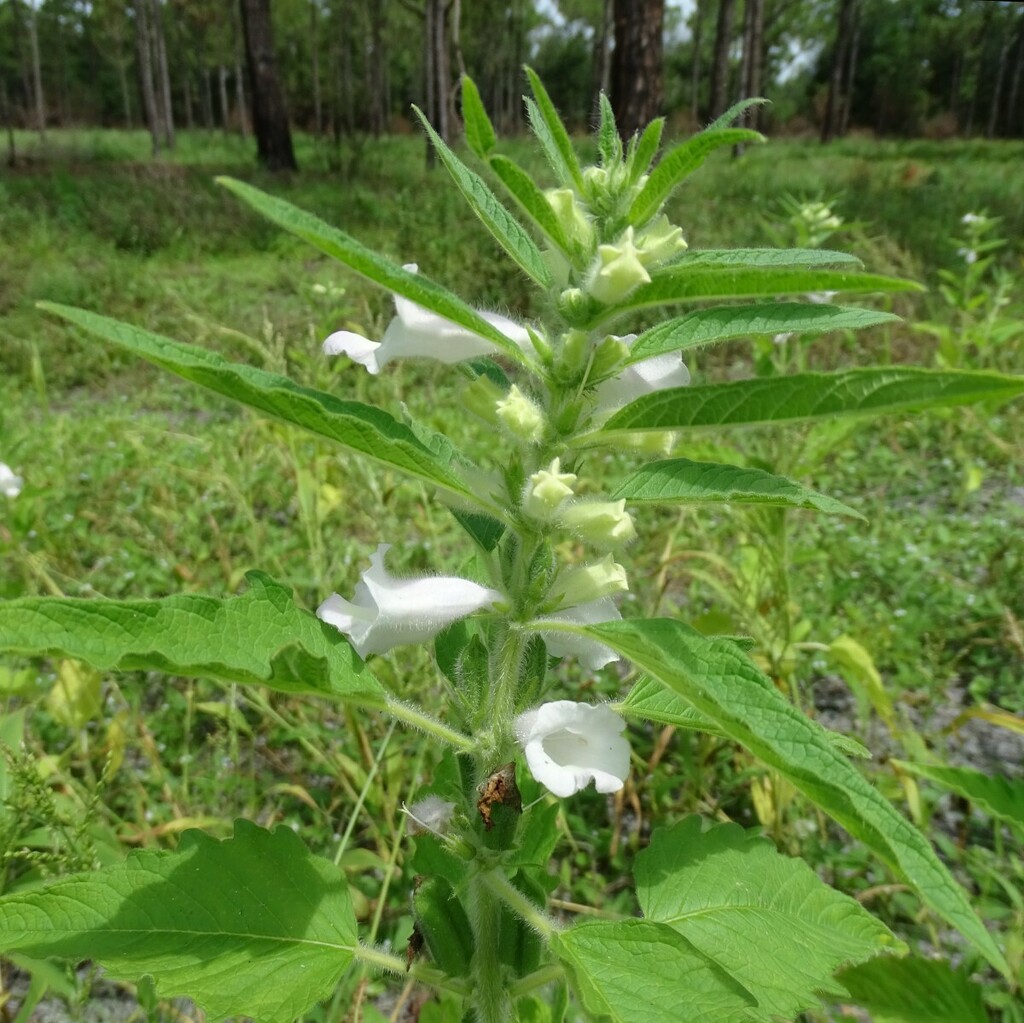
Sesame
- Origin
- Middle East
- Part used
- See detailed notebook
- Tradition
- Traditional ethnobotany
Sesame has accompanied humankind since the earliest civilizations of the Middle East, where its seeds and oil were credited with nourishing and fortifying virtues. A symbol of abundance in many ancient traditions, it traveled the trade routes to settle durably in the kitchens and folk pharmacopoeia from the Mediterranean basin to Asia.
Traditional uses
An emollient for dry skin
Sesame oil was traditionally massaged into the skin to soften and nourish it, notably in old Ayurvedic practices.
Digestive and transit support
The seeds, rich in fiber, were regularly eaten in certain traditions to support regular transit.
A traditional fortifying food
Sesame was considered a strengthening food, often paired with honey or incorporated into preparations given to convalescents and the weakened.
Traditional postpartum use
In certain Asian and Middle Eastern cultures, sesame oil and seeds were given to new mothers to support recovery after childbirth.
Before you use it
Sesame seed allergy is common and sometimes severe: to be avoided in case of a known allergic history. Large-quantity consumption should be avoided in case of kidney stones (oxalates). Oil applied to the skin should be tested beforehand on a small area to rule out any skin reaction.
The detailed notebook
- Prepared as a paste or decoction
- Traditional duration of use
- Known contraindications
- Related species and their uses
Where to find it
Partner herbalists — available with the detailed notebook.
Sources
PFAF