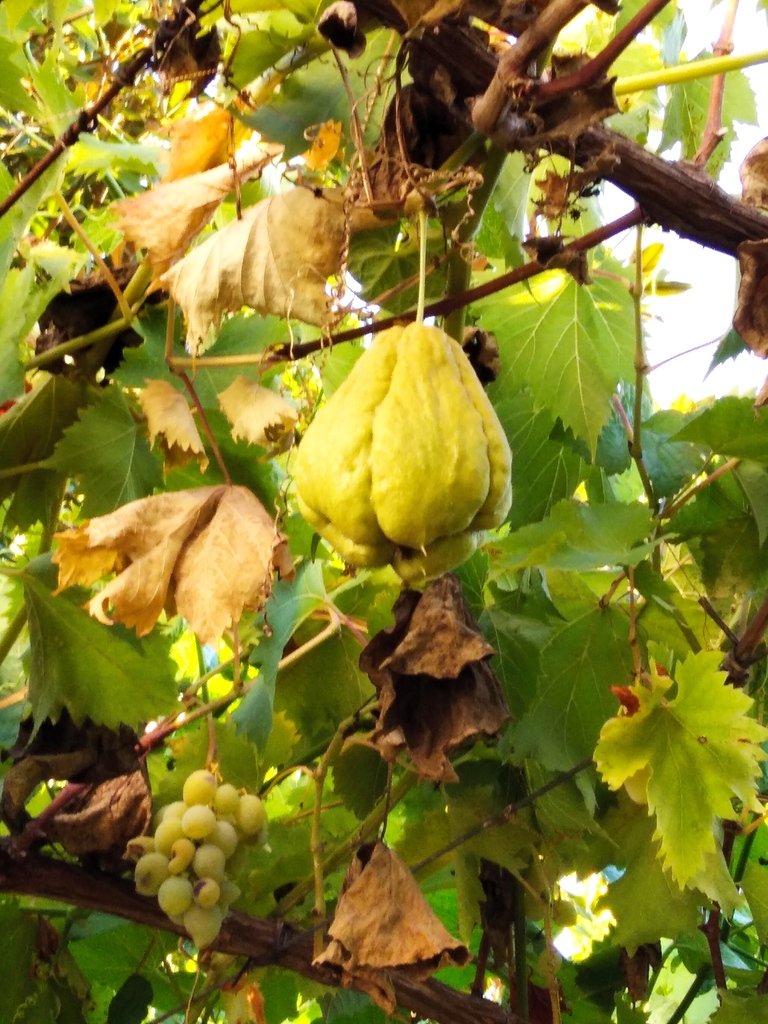
Sicyos edulis
- Origin
- North America
- Part used
- See detailed notebook
- Tradition
- Traditional ethnobotany
Known as chayote or "christophine," Sicyos edulis is a climbing cucurbit native to Central America and spread through southern North America as early as pre-Columbian times. Its pale fruit, young shoots, and tuberous root have long been eaten as a nourishing food and gentle remedy in folk traditions. The ancients regarded it as much as a subsistence vegetable as a plant for everyday care.
Traditional uses
A soothing fruit for the stomach
The cooked fruit was traditionally given for its mild, easy-to-digest effect, particularly to convalescents or sensitive stomachs.
Diuretic leaf infusion
The infused leaves were used in certain Central American folk traditions as a drink promoting urinary elimination.
Traditional use for hypertension
In several Mexican and Caribbean folk pharmacopoeias, a decoction of leaves or fruit was drunk to accompany blood-pressure troubles, without this replacing medical follow-up.
Poultice of grated fruit
The grated fruit pulp was applied as a poultice to the skin to soothe minor irritations, according to household uses passed down orally.
Before you use it
No notable toxicity is documented for the fruit and young shoots eaten cooked, but any self-medication for hypertension or urinary troubles should remain supervised by a health professional. The mature tuberous root can become fibrous and less digestible; it is traditionally eaten young. As with any cucurbit, excessive consumption of raw leaves may irritate sensitive intestines. If undergoing treatment for blood pressure or the kidneys, seek a doctor's advice before any regular use as an herbal tea.
The detailed notebook
- Prepared as a paste or decoction
- Traditional duration of use
- Known contraindications
- Related species and their uses
Where to find it
Partner herbalists — available with the detailed notebook.
Sources
PFAF