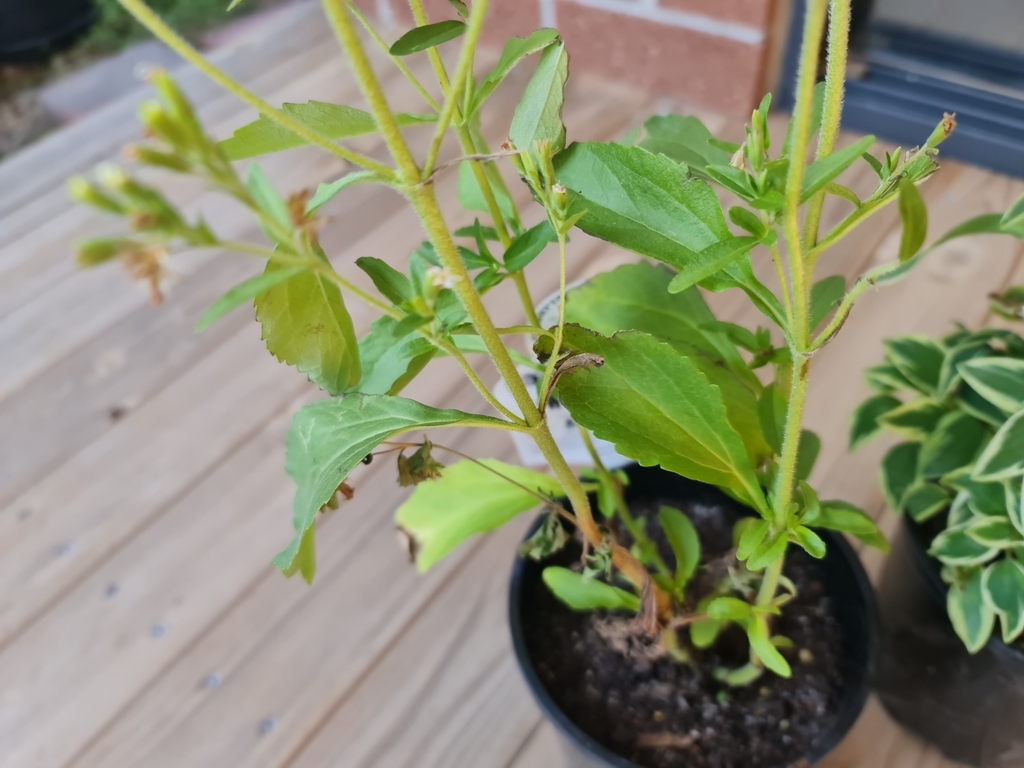
Stevia
- Origin
- South America
- Part used
- Leaves
- Tradition
- Traditional ethnobotany
Native to the lush foothills of Paraguay and Brazil, stevia is called “ka'a he'ê,” the sweet herb, by the Guarani. For generations, this unassuming little shrub was used to sweeten infusions long before sugar arrived in these lands. Its leaf, chewed or dried, was also valued to accompany other medicinal plants whose bitterness it masked.
Traditional uses
Sweetening without sugar
Stevia leaves were traditionally used by the Guarani to sweeten drinks and infusions, their very sweet taste making sugar unnecessary.
A companion to digestive teas
A few stevia leaves were readily added to digestive teas to sweeten their taste while accompanying, according to folk tradition, digestive comfort after meals.
Freshening the mouth
Chewing a fresh leaf was a folk practice to freshen the breath and temporarily mask the bitter taste of other plants taken as remedies.
A gentle everyday alternative
Traditionally used by local populations as a natural substitute for sugar, stevia accompanied the daily life of those wishing to limit their consumption of sweets.
What to know before use
People undergoing treatment for diabetes or high blood pressure should seek the advice of a health professional before regular use, as stevia may interact with certain treatments. Excessive or prolonged use is not recommended without medical advice, as data on long-term consumption at high doses remain limited. Whole or minimally processed leaves are preferable, as highly concentrated commercial extracts do not share the same tradition of use. For pregnant or breastfeeding women, prior medical advice is recommended as a precaution.
The detailed notebook
- Prepared as a paste or decoction
- Traditional duration of use
- Known contraindications
- Related species and their uses
Where to find it
Partner herbalists — available with the detailed notebook.
Sources
PFAF, Wikipedia