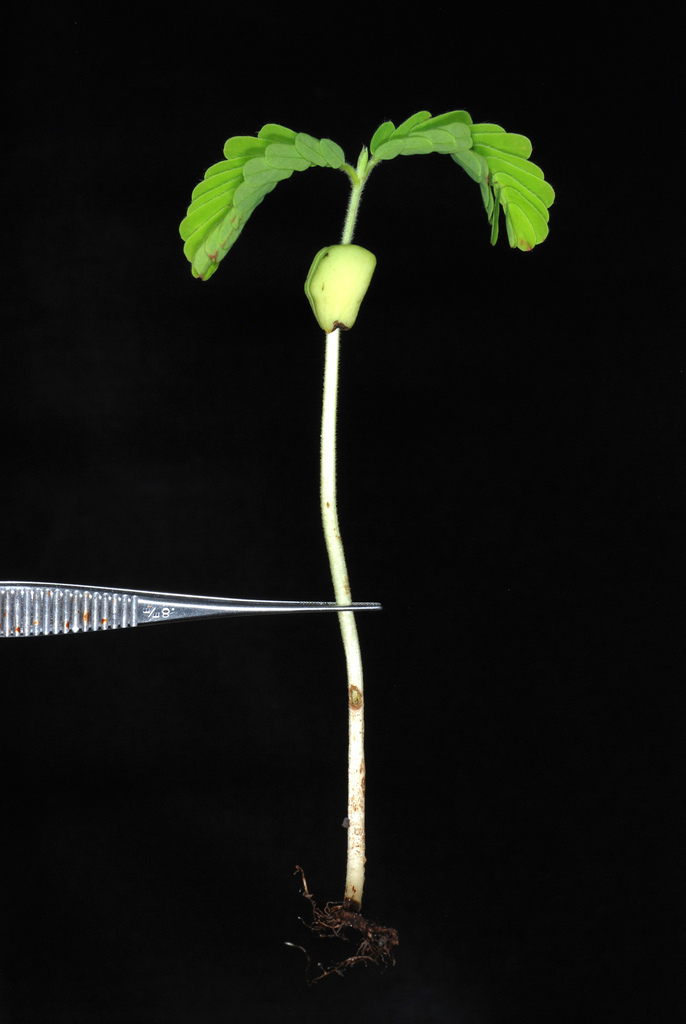
Tamarind
- Origin
- Africa
- Part used
- See detailed notebook
- Tradition
- Traditional ethnobotany
Native to the savannas of East Africa, the tamarind has for centuries been a nourishing and medicinal tree, its tangy pod pulp accompanying both cooking and folk remedies. From Africa to India, where it was introduced very long ago, it holds a place of choice in traditional pharmacopoeias.
Traditional uses
Supporting digestion
Tamarind pulp is traditionally used to promote transit and ease digestive discomfort after meals.
Cooling, fever-reducing drink
In many African and Asian traditions, a tamarind pulp beverage is prepared to cool the body and accompany feverish states.
Care for minor skin irritation
Diluted pulp was traditionally applied as a compress on the skin to soothe certain irritation or mild inflammation.
Soothing for the throat
A tamarind-based preparation was sometimes used traditionally to soothe an irritated throat.
Before you use it
Consuming large quantities can have a marked laxative effect. Tamarind can interact with certain medications, particularly those affecting blood clotting (potentially anticoagulant effect); the advice of a healthcare professional is recommended if undergoing treatment. Avoid prolonged medicinal use without professional advice, particularly in pregnant or breastfeeding women and young children. The pulp's acidity can irritate sensitive mucous membranes or tooth enamel with frequent use.
The detailed notebook
- Prepared as a paste or decoction
- Traditional duration of use
- Known contraindications
- Related species and their uses
Where to find it
Partner herbalists — available with the detailed notebook.
Sources
PFAF