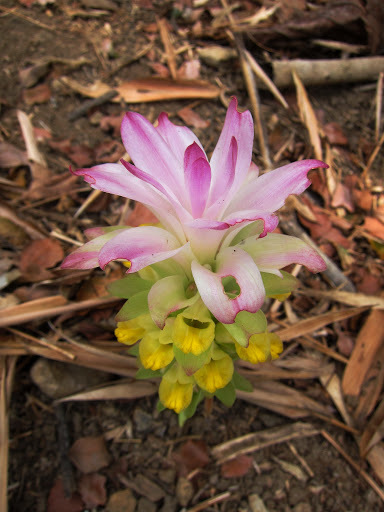
Temu lawak
- Origin
- Asia
- Part used
- See detailed notebook
- Tradition
- Traditional ethnobotany
In the markets of Java and Sumatra, temu lawak has for centuries been a familiar root, a cousin of turmeric, that Javanese herbalists incorporated into preparations called "jamu." Its yellow-orange flesh, with a more bitter and musky scent than common turmeric, was reserved for liver and digestive care in traditional Indonesian medicine. The ancients considered it a root of strength, given to both frail children and tired adults.
Traditional uses
Support for digestion and the liver
Temu lawak rhizome was traditionally used in Indonesia to help with difficult digestion and support liver function, particularly after rich meals.
Appetite stimulation
In the Javanese jamu tradition, this bitter root was given to revive the appetite in children and tired convalescents.
Traditional joint comfort
Temu lawak featured among the plants used internally to help with joint comfort, continuing the uses attributed to turmeric.
Traditional skin care
Ground into powder and mixed with other ingredients, the root was used in traditional cosmetic preparations intended for a radiant complexion.
What to know before use
Not recommended in cases of bile duct obstruction or known gallstones, without prior medical advice. To be avoided during pregnancy and breastfeeding, for lack of sufficient safety data. May interact with anticoagulant or hypoglycemic treatments; seek the advice of a health professional if undergoing treatment. Prolonged or high-dose use should be supervised by a professional, due to possible effects on the liver at high doses.
The detailed notebook
- Prepared as a paste or decoction
- Traditional duration of use
- Known contraindications
- Related species and their uses
Where to find it
Partner herbalists — available with the detailed notebook.
Sources
PFAF, PubMed