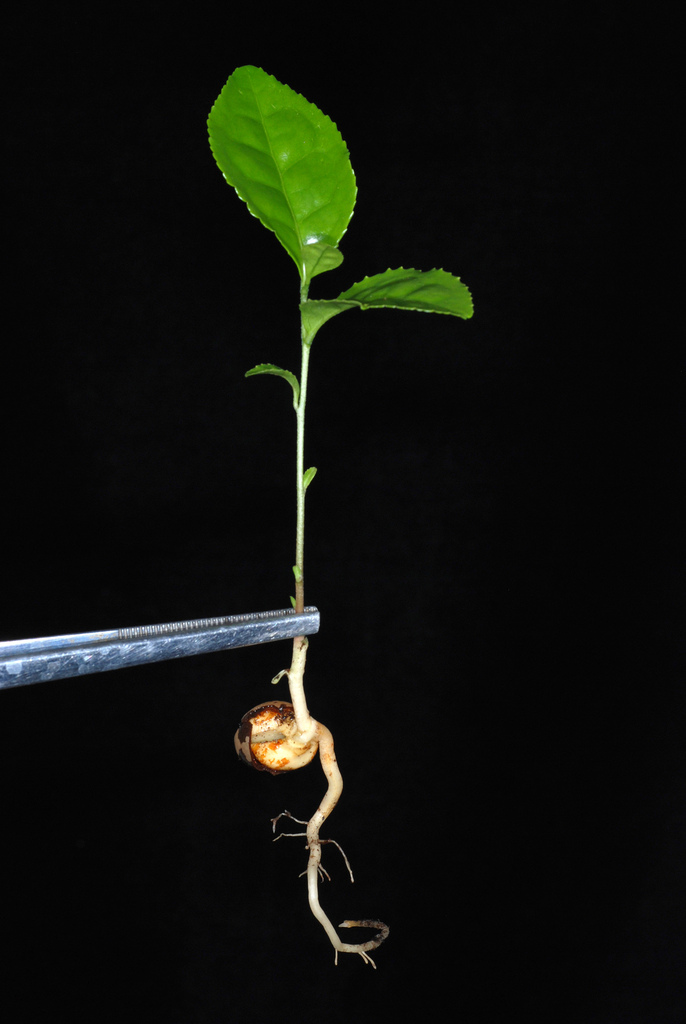
Green Tea
- Origin
- Asia
- Part used
- Leaves
- Tradition
- Traditional ethnobotany
Coming from the mountains of China and cultivated for millennia in Asia, green tea owes its name to the simplicity of its processing: its leaves, barely wilted then quickly dried, retain the essence of their original substance. A daily drink as much as a remedy from the notebooks of the ancients, it accompanies the monastic and folk traditions of China, Japan, and many other regions of Asia.
Traditional uses
Support for everyday energy
Traditionally consumed for its mild, lasting stimulating effect, valued for helping to awaken the mind without the agitation sometimes associated with coffee.
Aid to digestion after meals
Drunk at the end of meals in several Asian traditions, green tea was reputed to aid digestion and lighten the feeling of heaviness.
A drink of longevity and vitality
In Chinese and Japanese tradition, green tea has for centuries been considered a wellness drink, associated with mental clarity and good general vitality.
A soothing external use
Compresses of infused, cooled green tea have traditionally been applied to the skin to soothe sensitive or tired areas, particularly around the eyes.
What to know before use
Contains caffeine: to be avoided or limited in the evening, in cases of nervous sensitivity, sleep troubles, or heart trouble. Significant, regular consumption has been associated with reduced iron absorption; anemic or pregnant people should space its intake away from meals and seek professional advice. Concentrated extracts (capsules, high-dose dry extracts) differ from the traditional infusion and have been associated with rare cases of liver damage: their use should remain supervised by a health professional. Possible interactions with certain medication treatments (anticoagulants, certain liver treatments): seek advice if undergoing treatment.
The detailed notebook
- Prepared as a paste or decoction
- Traditional duration of use
- Known contraindications
- Related species and their uses
Where to find it
Partner herbalists — available with the detailed notebook.
Sources
PFAF, Wikipedia