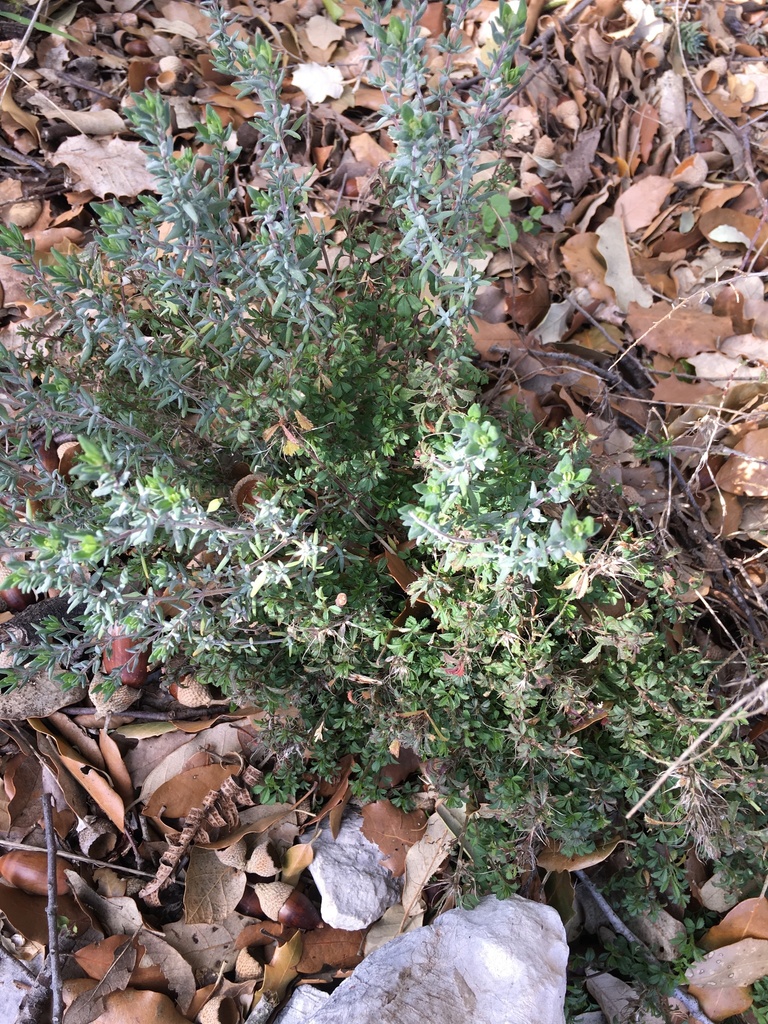
Thyme
- Origin
- Europe
- Part used
- Leaves
- Tradition
- Traditional ethnobotany
Since Mediterranean antiquity, thyme has scented kitchens as much as apothecaries' cabinets. The ancients credited it with purifying the air of homes and supporting the airways during winter's cold spells. This small shrub of the garrigue remains today one of the most common aromatic plants in Europe's gardens and herbalist shops.
Traditional uses
Support for the airways
Traditionally, thyme infusion was drunk to soothe the throat and accompany seasonal chills. Old herbalists credited it with a calming effect on coughing.
Digestive comfort after meals
Thyme featured in after-dinner teas, said to aid digestion and ease bloating.
Traditional cleansing
Dried leaves were burned or infused for their cleansing properties, and thyme was used in folk toilet waters and gargles.
A tonic for tired days
Thyme was credited with restoring vigor to convalescents, hence its long-standing use as a fortifying tea.
Before you use it
Avoid concentrated preparations (essential oil, extracts) for pregnant or breastfeeding women, and for young children, without professional advice. Do not exceed traditional infusion doses; prolonged, excessive use can irritate the digestive lining. If under medical treatment or affected by thyroid disease, consult a healthcare professional before regular use. Never confuse with thyme essential oil, which is far more concentrated and reserved for supervised use.
The detailed notebook
- Prepared as a paste or decoction
- Traditional duration of use
- Known contraindications
- Related species and their uses
Where to find it
Partner herbalists — available with the detailed notebook.
Sources
PubMed, Wikipedia