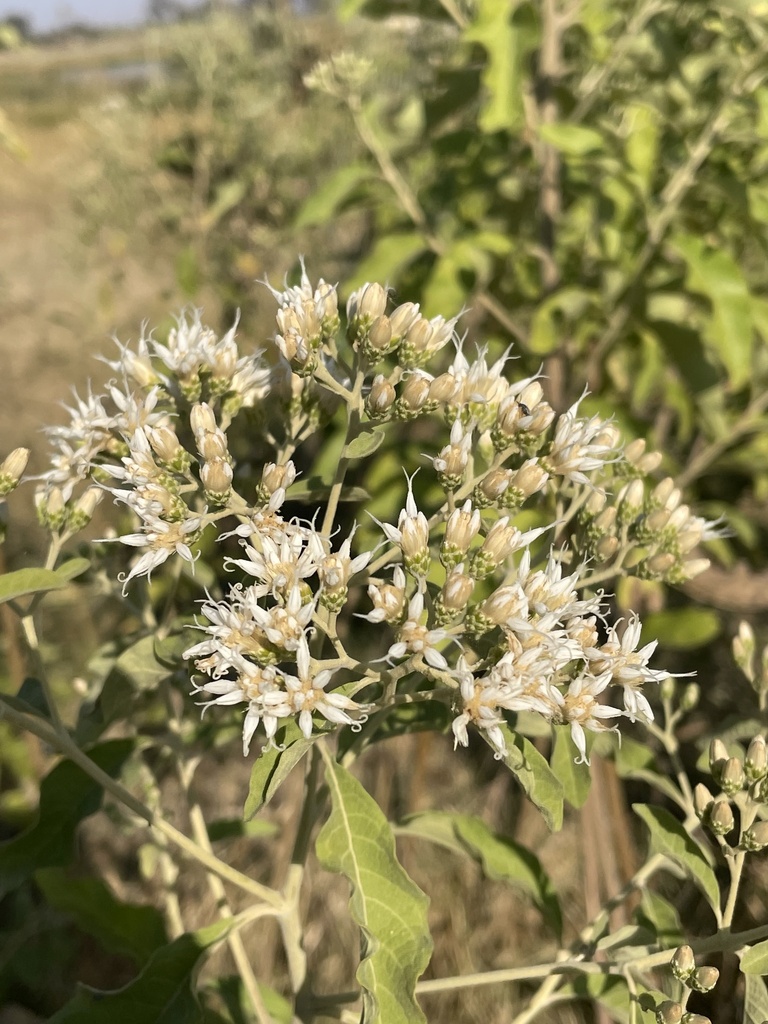
Bitter Leaf
- Origin
- Africa
- Part used
- See detailed notebook
- Tradition
- Traditional ethnobotany
Known in West and Central Africa as the "bitter tree" or "bitter leaf," Vernonia amygdalina has accompanied the continent's kitchens and family remedies for generations. Its pronounced bitterness, far from being a flaw, is traditionally seen as the very sign of its purifying virtues.
Traditional uses
Traditional digestive support
The bitter leaves, eaten as a decoction or mixed into dishes, were traditionally used to stimulate appetite and aid digestion after heavy meals.
Use during feverish states
In several West African pharmacopoeias, a decoction of leaves or bark was traditionally used to accompany episodes of fever.
A bitter antiparasitic plant
Reputed as a dewormer, Vernonia amygdalina is among the bitter plants traditionally given to fight intestinal parasites.
Traditional wound care
The juice of fresh leaves was sometimes applied locally to minor wounds or skin irritation, according to folk uses.
Before you use it
A plant with powerful bitterness and chemical composition: prolonged or high-dose use is discouraged without the advice of a healthcare professional. Contraindicated during pregnancy and breastfeeding due to a traditional use reported as emmenagogue and insufficient safety data. Possible interactions with antidiabetic or antihypertensive treatments; seek a doctor's advice if undergoing treatment. Avoid use in young children without supervision by a qualified practitioner.
The detailed notebook
- Prepared as a paste or decoction
- Traditional duration of use
- Known contraindications
- Related species and their uses
Where to find it
Partner herbalists — available with the detailed notebook.
Sources
PFAF, Wikipedia