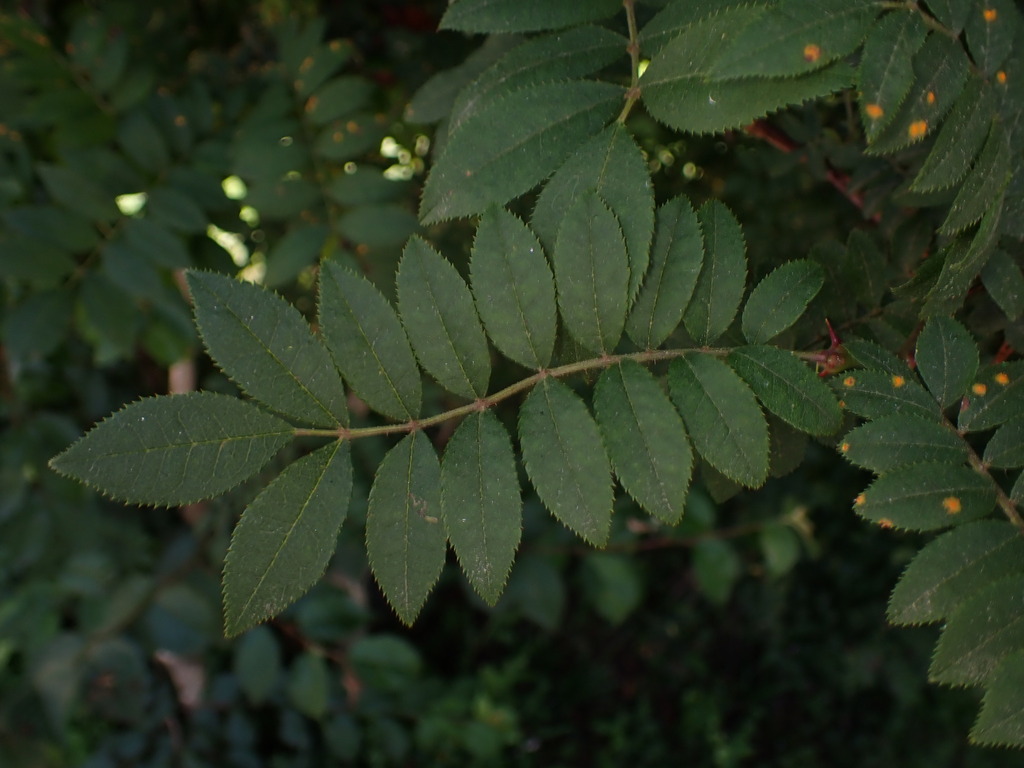
Zanthoxylum piperitum
- Origin
- Asia
- Part used
- Seeds / fruit
- Tradition
- Traditional ethnobotany
Known in Japan as sansho, Japanese pepper has for centuries been as much a condiment as a remedy of Far Eastern pharmacopeia. Its pungent berries, cousins of Sichuan pepper, were traditionally chewed or infused to soothe digestive troubles after heavy meals. Ancient Chinese and Japanese herbalists also recognized warming virtues in it, useful in cold weather.
Traditional uses
Digestive support
The dried fruits were traditionally used to promote digestion and relieve feelings of heaviness or bloating after meals.
A traditional warming effect
In traditional Chinese medicine, this pungent spice was used to warm the body and stimulate circulation during cold periods.
Relief of local pain
The crushed berries or their decoction were used externally, as rubs or compresses, to soothe certain muscle and joint pain.
Relief of toothaches
Chewing a few fruits was an old folk practice to slightly numb the mouth and temporarily calm dental pain.
What to know before use
Not recommended for therapeutic use during pregnancy or breastfeeding, beyond moderate culinary use, without the advice of a health professional. Use with caution in people undergoing medication treatment, particularly due to possible interactions; seek professional advice. Do not exceed usual culinary amounts without the advice of an herbalist or doctor, due to the plant's aromatic strength and warming effect. Avoid any prolonged or high-dose use in children.
The detailed notebook
- Prepared as a paste or decoction
- Traditional duration of use
- Known contraindications
- Related species and their uses
Where to find it
Partner herbalists — available with the detailed notebook.
Sources
Wikipedia